
We are excited to announce the awardees of our AIAI Seed Grant program for the year 2025-6.
-

Re-Centering the Labor Movement in Conceptualizations of AI Literacy
Performing AI Ethics explores how artificial intelligence is publicly framed, justified, and normalized through panels, podcasts, and policy conversations. The project combines live performance with deepfaked media, staging interactions between live actors and simulated AI ethics figures to expose how authority, urgency, and moral responsibility are performed.
-

Developing Critical AI Literacy with Metro Atlanta Educators
PI: Luke Ziegler, PhD (University of West Georgia) Collaborator: Jenna Harte, PhD (University of West Georgia) Since the launch of ChatGPT and AI tools for education (MagicSchoolAI, SchoolAI e.g.), metro Atlanta educators have received varying amounts of support and professional development. Some districts have championed the use of AI tools for personalized learning and resource creation while others have provided minimal guidance or support in navigating this nascent technology in the classroom. This project examines how educators are developing critical AI literacy and how they…
-
What is a Forest? Multispecies + AI Ecologies of Atlanta
PI: Ash Eliza Smith (University of Georgia) What Is a Forest? is an arts-based research project exploring how forests are sensed, modeled, and understood across living and nonliving systems around Atlanta. It investigates the “stack” of the Atlanta forest—soil, clay, roots, fungi, trees, canopy, birds, sensors, archives, and AI datasets—to ask: What counts as a forest and what is recorded? The project is grounded in Atlanta’s ecological and infrastructural landscape, where forests and multispecies, more-than-human presences intersect with environmental datasets and emerging AI research. It…
-
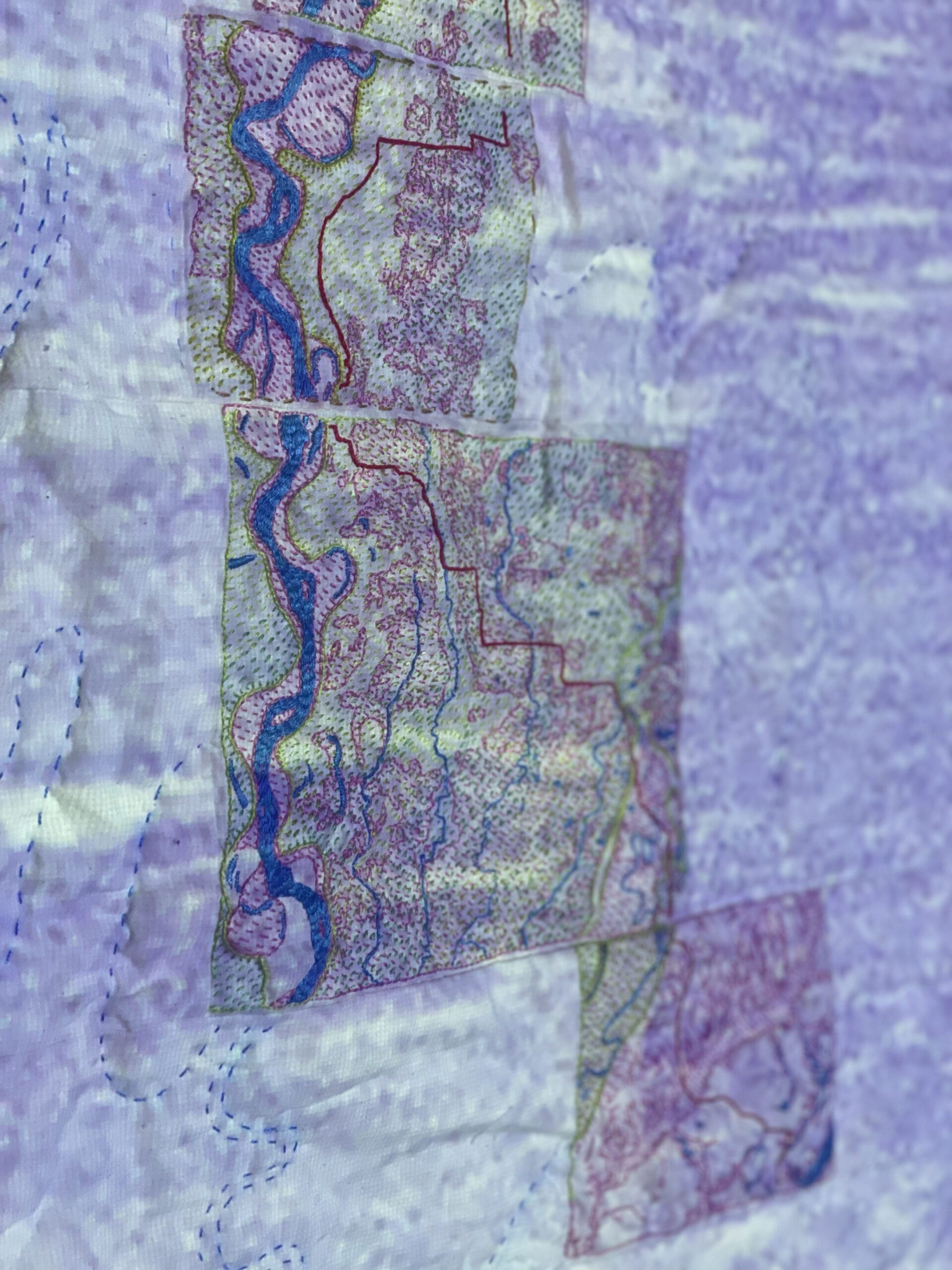
Collaboratively Communicating AI’s Water Impact through Public Textile Art
This work critically addresses the impact of Data Centers on Atlanta’s local environmental, energy, and economic ecologies through arts-based research. We propose to commission three local artists to create textile artworks to communicate the local concerns and impacts of data centers.
-

Re-Materializing Stone Mountain: Stitching the Automated Surface
This project explores how artificial intelligence perceives and rematerializes place by reinterpreting the front surface of Stone Mountain, a site shaped by deep geological time and a complex political history. Using generative models whose understanding of place is shaped by fragmented visual data, the work explores how AI often simplifies or misreads culturally layered landscapes.
-
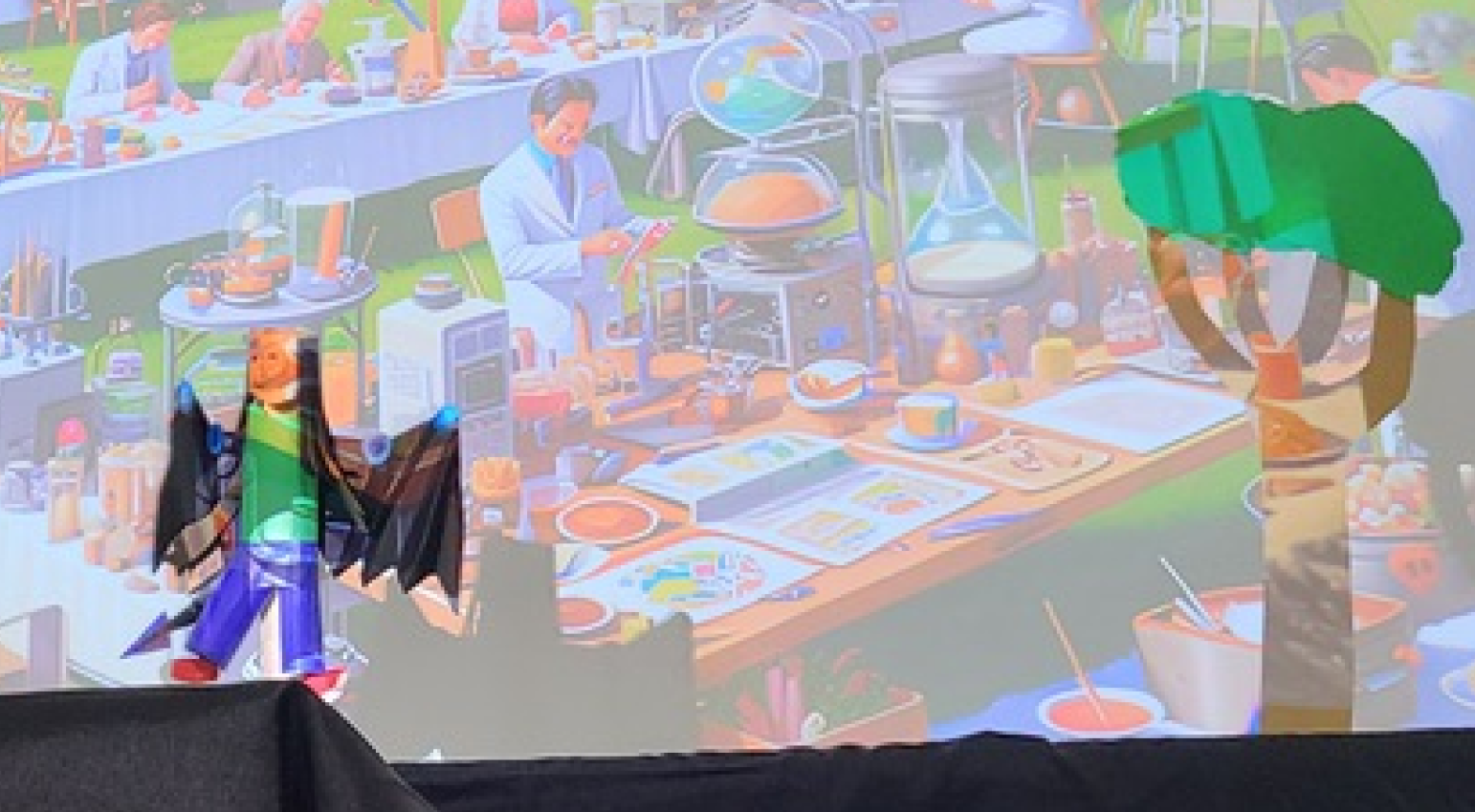
CultureFutures: Material Exploration of AI, Culture and Atlanta
Our project will investigateAI education through the lens of material cultures of specific communities in metro Atlanta. We focus on how culture scaffolds critical AI literacy efforts through material practices. We will partner with, Agape Foundation, a local non-profit that works with youth.
-
Performing AI Ethics
Performing AI Ethics explores how artificial intelligence is publicly framed, justified, and normalized through panels, podcasts, and policy conversations. The project combines live performance with deepfaked media, staging interactions between live actors and simulated AI ethics figures to expose how authority, urgency, and moral responsibility are performed.
-
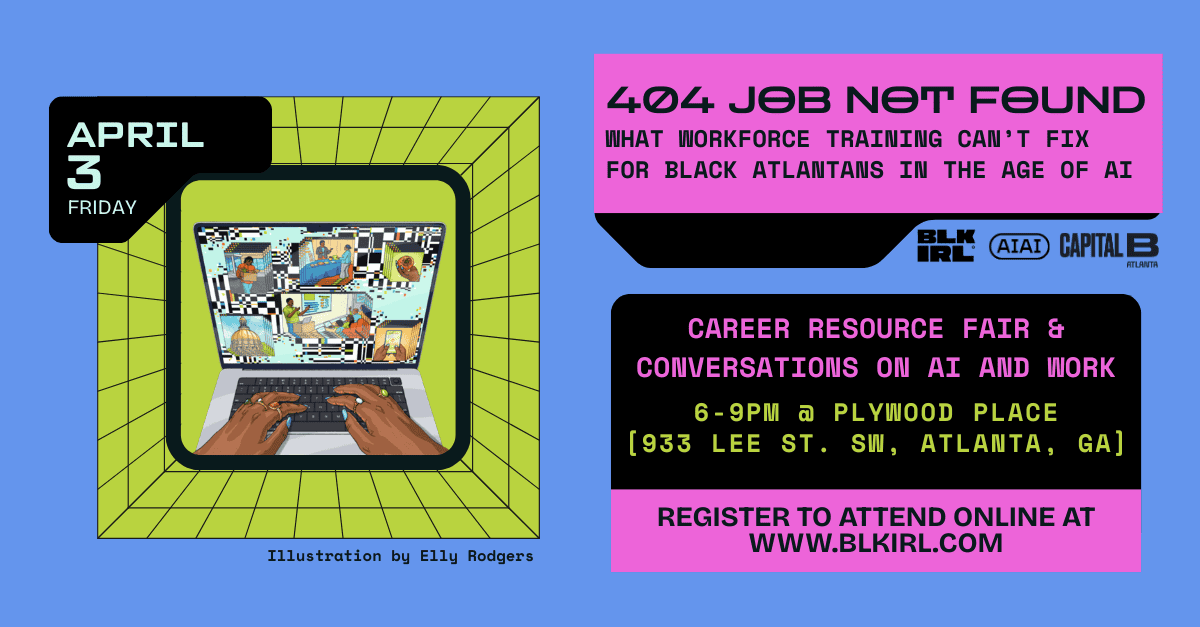
(404) Job Not Found: What Workforce Training Can’t Fix for Black Atlantans in the Age of AI
As AI becomes embedded in everyday workplace tools, “AI literacy” is increasingly treated as a baseline requirement for employability. But what actually counts as an AI skill—and who gets to decide?
-

Atlanta Beltline and AI
This research investigates the human–AI dynamics created by the growing presence of autonomous food-delivery robots along the Atlanta BeltLine. As a major corridor for cyclists and runners, the BeltLine is experiencing increased co-presence between riders and driverless delivery bots whose navigation patterns may introduce new forms of distraction, uncertainty, or perceived risk.
-
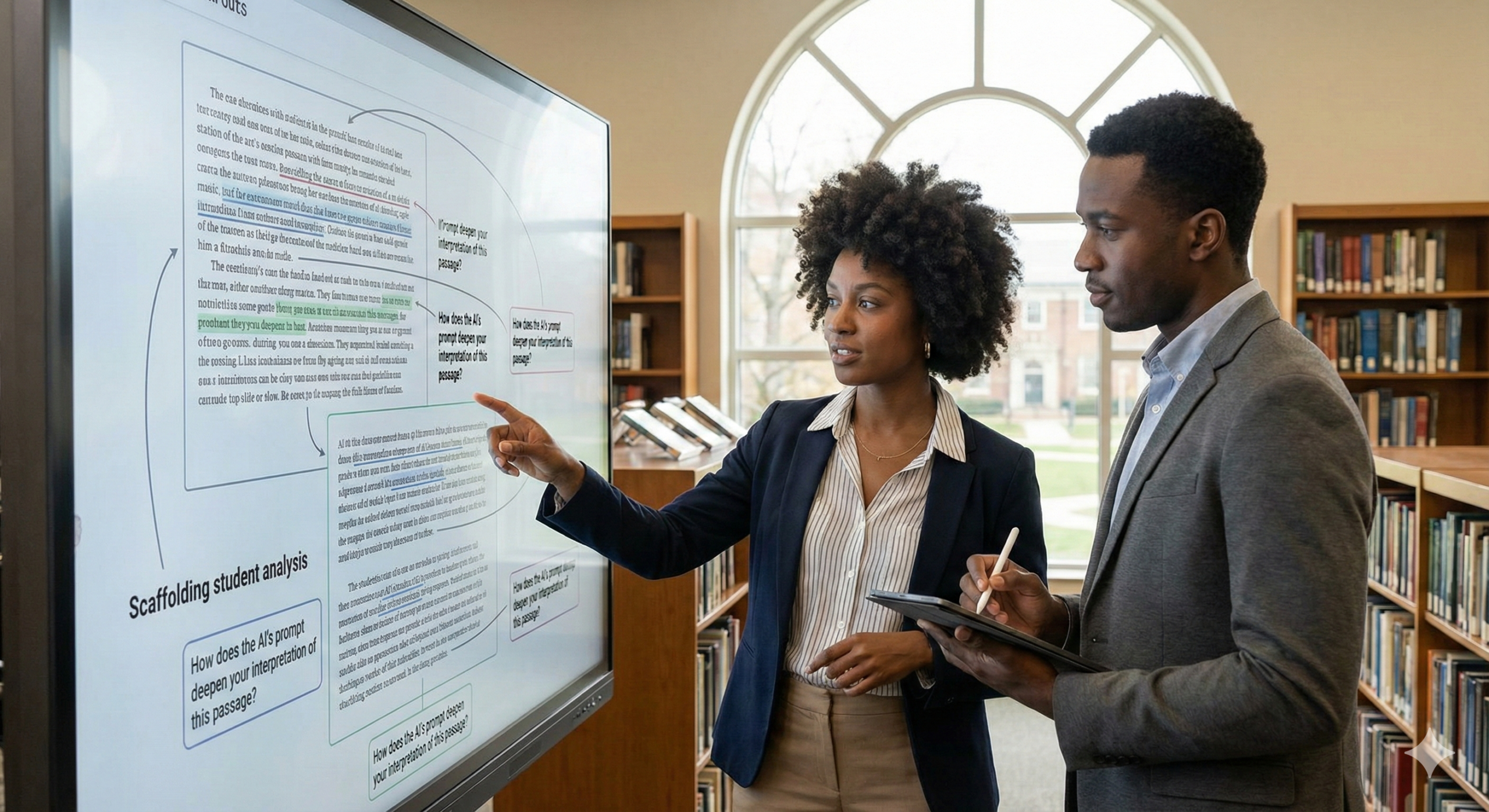
Prompting Humanistic Thinking: Using AI to Deepen Interpretation, Scaffolding, & Student Learning in Humanities Classrooms
This project will develop and pilot a humanities-centered AI faculty workshop that reframes artificial intelligence as a tool for interpretation, scaffolding, and student agency—not a shortcut for cognition. Building on our 2025 Associated Colleges of the South (ACS) interdisciplinary AI workshop, this project offers a structured model for interpretation-first prompt engineering that centers the needs of faculty in humanistic disciplines.
-
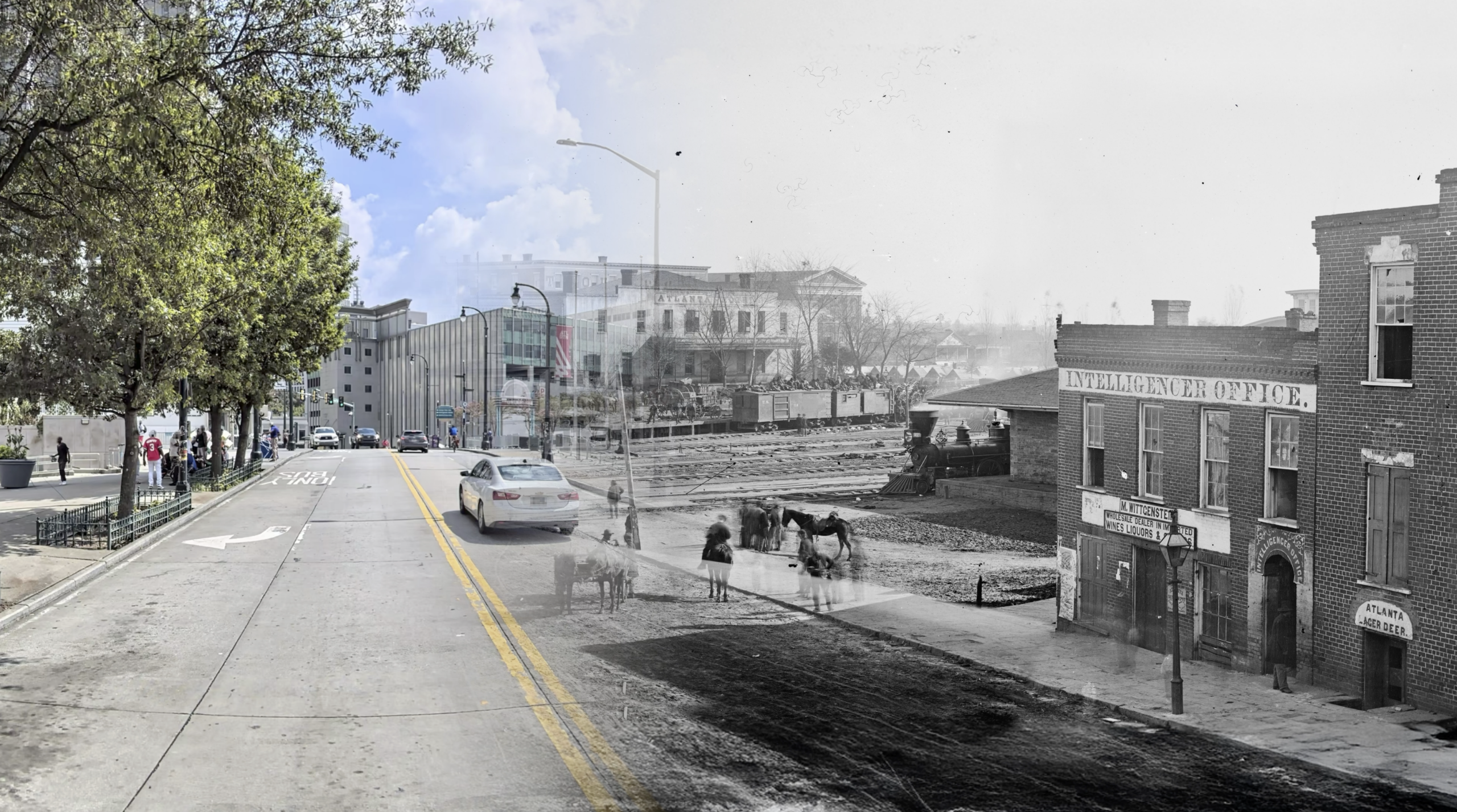
Atlanta Camera Obscura AI Time Portal
During the Union Army’s occupation of Atlanta at the end of the Civil War in 1864, the photographer George N. Barnard photographed the city before Atlanta was burned. Barnard created a series of famous photographs using a mobile darkroom tent which he moved around the city on a horse-drawn carriage. I will replicating this tent as an AI-enabled camera obscura placed at the exact sites where the photographs were made.
-
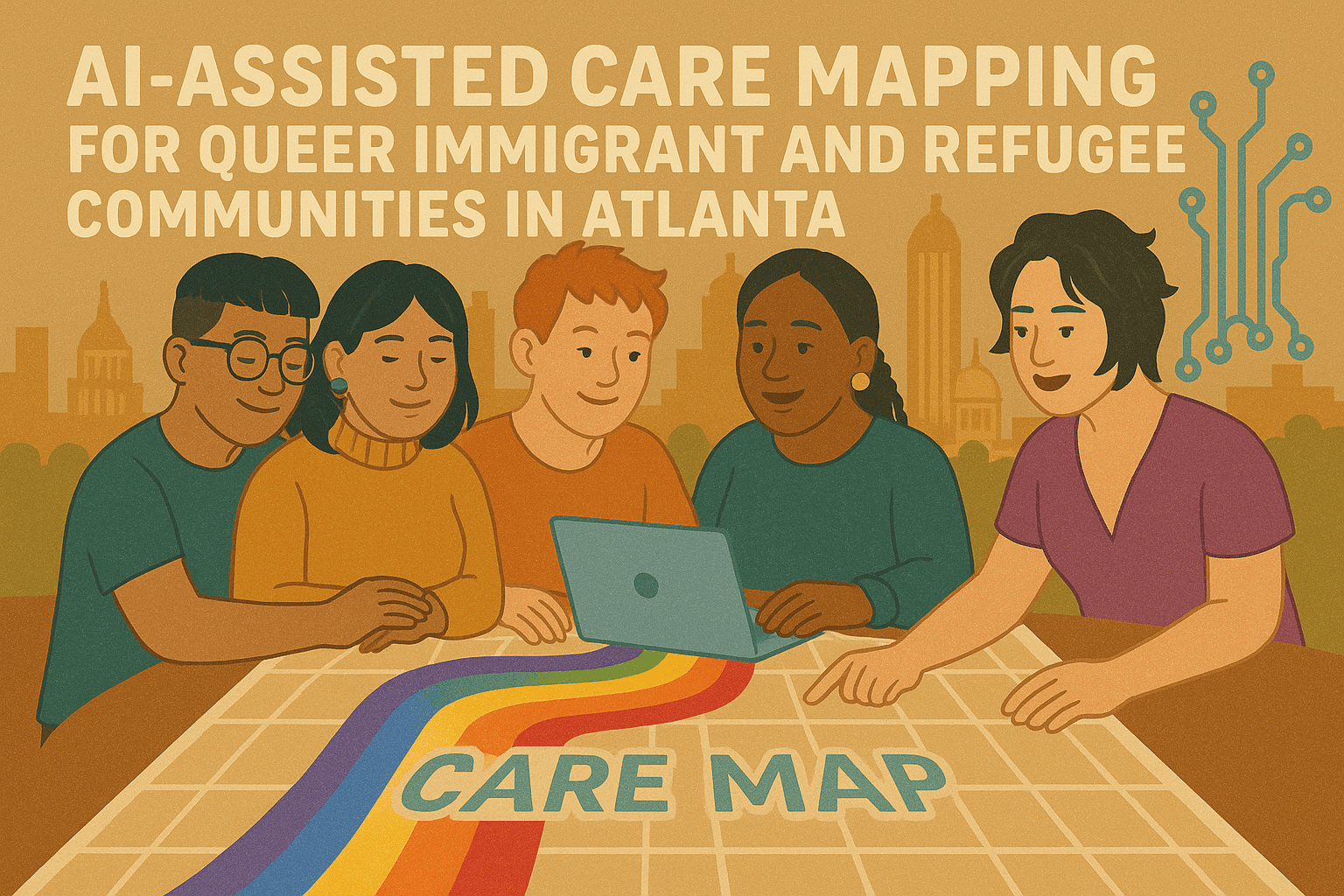
Stories of In-Betweenness: An AI-Assisted Memory Map of Atlanta’s Asian LGBTQ+ Immigrant and Refugee Communities
This digital humanities project documents the lived experiences of Asian LGBTQ+ immigrant and refugee communities in Atlanta. By using queer walking meditation (Trinh, 2020) and guided by Vietnamese Buddhist ethics of compassion, presence, and interbeing, the project gathers 10 oral histories along with participant-created drawings, poems, and symbolic artifacts through 3 sessions